Expanding Frontiers at ISDC 2026
Expanding Frontiers Executive Director Dr. Fredrick Jenet played a leading role in convening international discussions on the future of space activity during the 44th International Space Development Conference (ISDC 2026), bringing together senior representatives from the United Nations, NASA, industry, investment, and the broader space community.
The National Space Society (NSS) is a nonprofit organization dedicated to advancing space exploration, development, and settlement. Founded in 1987, NSS brings together a global community of space advocates, industry professionals, scientists, and policymakers. Its annual flagship event, the International Space Development Conference (ISDC), is one of the most prominent gatherings in the space community, drawing together leaders from government, industry, academia, and civil society to shape the future of human activity in space. ISDC 2026, held in McLean, Virginia, marked the 44th edition of the conference.
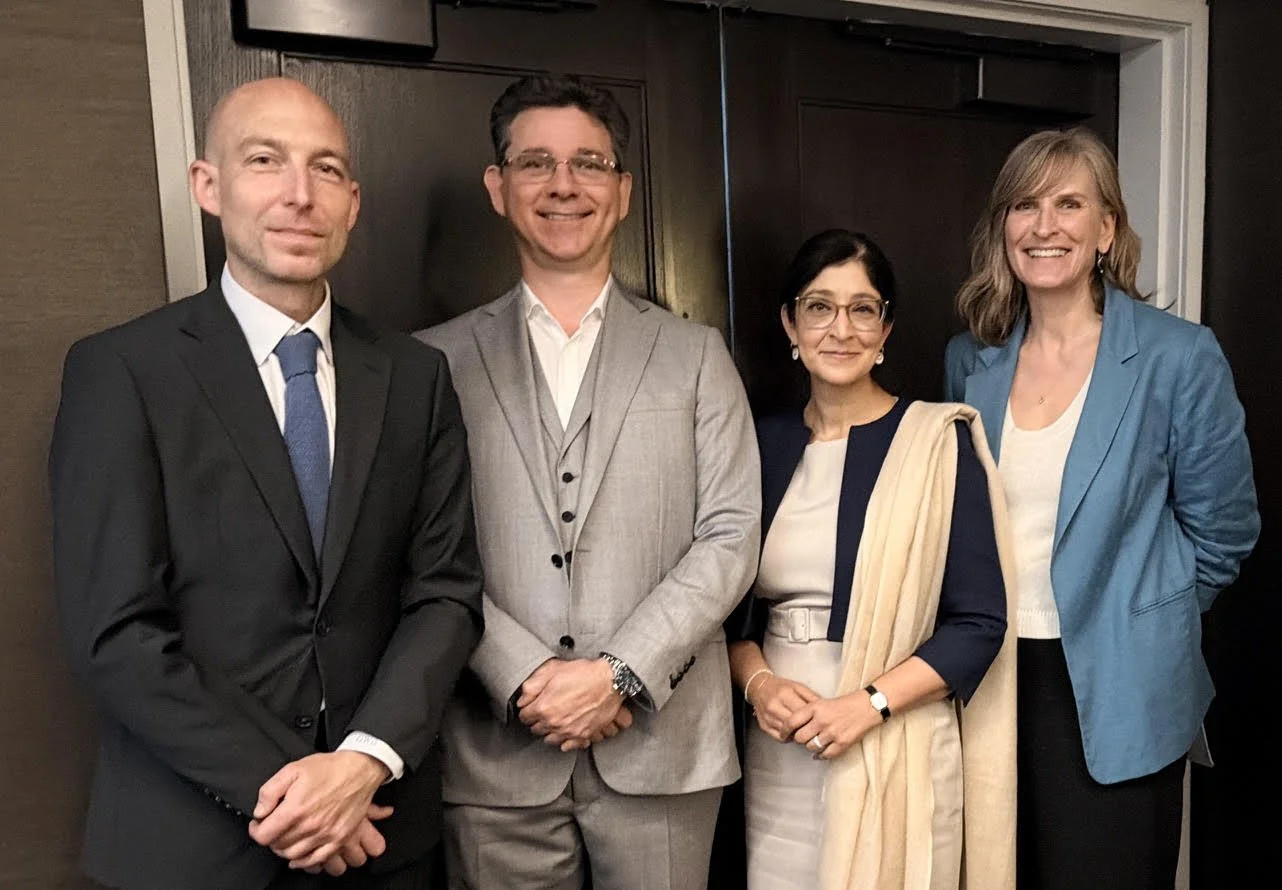
Left to right: Gabriel Swiney, Director of Policy at the U.S. Office of Space Commerce; Dr. Fredrick Jenet, Executive Director of Expanding Frontiers; Aarti Holla-Maini, Director of the United Nations Office for Outer Space Affairs (UNOOSA); and Valda Vikmanis-Keller, Director of the U.S. State Department Office of Space Affairs.
A centerpiece of the event was the participation of Aarti Holla-Maini, Director of the United Nations Office for Outer Space Affairs (UNOOSA), who joined a series of discussions focused on the growing role of commercial space activity, international cooperation, and the evolving governance of humanity’s expansion beyond Earth.
Dr. Jenet organized and moderated a public policy session exploring the future of global space governance and commercial space development. The session featured senior representatives from UNOOSA, the U.S. Department of State, and the U.S. Office of Space Commerce and examined how governments, international organizations, and private industry can work together to support the next era of space activity.
In addition, Expanding Frontiers helped facilitate a private roundtable discussion that brought together leaders from NASA, UNOOSA, Axiom Space, Voyager, Varda Space Industries, Amazon Project Kuiper, the Texas Space Commission, investors, entrepreneurs, and policy experts. Participants exchanged perspectives on commercial space development, international cooperation, investment, emerging technologies, and the future space economy.
“The future of space will be shaped not by any single organization or nation, but through collaboration among governments, industry, investors, researchers, and civil society,” said Dr. Jenet. “One of the most important roles organizations like Expanding Frontiers can play is creating opportunities for those conversations to occur.”
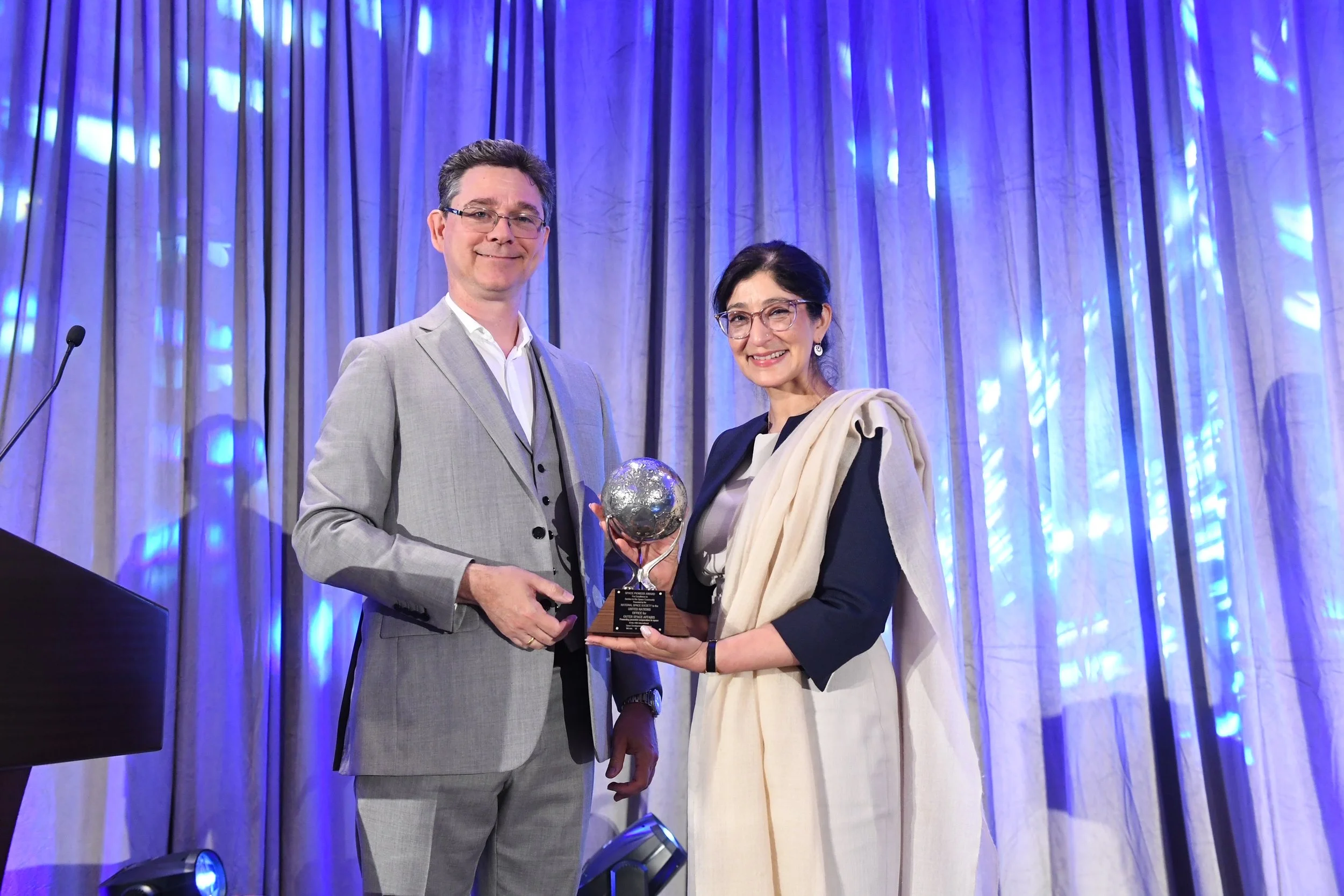
The conference also recognized the United Nations Office for Outer Space Affairs with the National Space Society’s Space Pioneer Award for Excellence in Service to the Space Community. The award recognized UNOOSA’s longstanding contributions to promoting the peaceful use of outer space and fostering international cooperation in space activities.
The discussions at ISDC 2026 reflect Expanding Frontiers’ ongoing commitment to strengthening connections between emerging space regions, industry, government, and international organizations. Through its work in South Texas and beyond, Expanding Frontiers seeks to ensure that the opportunities created by the expanding space economy are broadly accessible and contribute to the long-term development of humanity’s future in space.
About Expanding Frontiers
Expanding Frontiers is a nonprofit organization dedicated to accelerating innovation, entrepreneurship, and economic development in South Texas and the emerging space economy. Through partnerships with government, industry, universities, and community organizations, Expanding Frontiers supports the development of technologies, companies, and workforce capabilities that contribute to humanity’s future beyond Earth.